October 14 is Christopher Columbus Day. That was the day in 1492 that Columbus landed in the new world. It also celebrates the cultural heritage of Italian Americans. I will start with a couple of pop-up books.
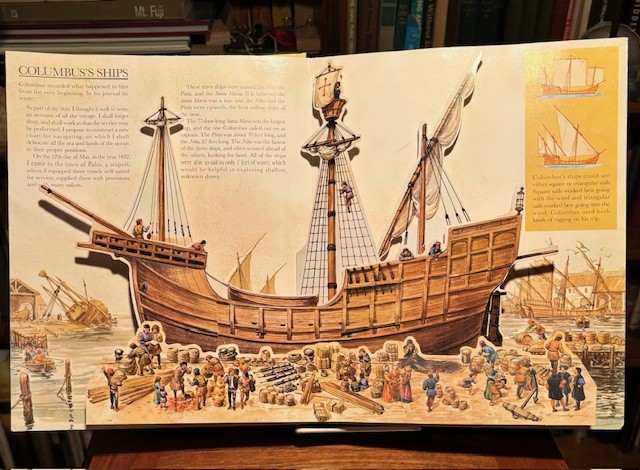
This is “Christopher Columbus, An Adventure in Courage” by Troll Books, 1992. It is from a series of pop-up books I have that include George Washington, Abraham Lincoln and Martin Luther King, Jr.

I also have pop-up “The Voyage of Columbus; In His Own Words” published for Sears, 1991. It has a lot of passages from his diary printed in the book.

An interesting fact that I discovered was that Columbus’s ships had two ways to use sails-and had two types of sales on ship. There were triangle for sailing against wind and square for going with wind.
I also have another Landmark Books classic, “The Voyages of Christopher Columbus” by Armstrong Sperry, 1950. This was volume one in the series, and the book tells of each of the four adventures Columbus took to the new world.

In Barcelona, at the Plaça del Rei (the King’s square), was where Columbus brought back gifts from the new world for the King and Queen. Barcelona was their summer home. We sat on the same steps that Columbus walked up to greet Ferdinand and Isabella, who were sitting in thrones at the top.

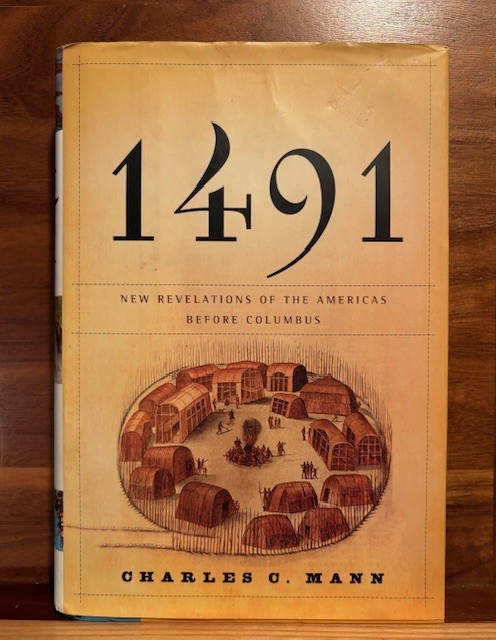
October 14 is Indigenous Peoples Day. Some people think that when Columbus discovered the new world that it was a wilderness with just few Indians running around. Actually there are studies that between 8 and 12 million Indians were living between the North and South American continents at that time. Indigenous Peoples Day is to honor the heritage of those who were here already when Columbus landed from Europe.
I have the book “1491” by Charles C. Mann, published in 2005. The subtitle is “New Revelations of the Americas Before Columbus”. This was a great book to read. The author gives an amazing story of cultures that were much more advanced and populated than I was ever taught in school. One thing they didn’t have, was a resistance to European diseases. This was very interesting and a learning experience for me.
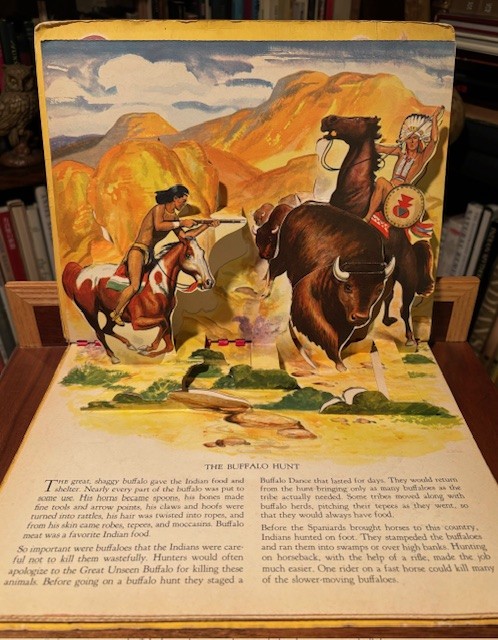
I also have a pop-up. “Indians” by E. Joseph Dreany, published in 1951. This is part of a two book set, the other being “Coyboys”.

This book has some interesting pop-ups and stories.
I also have another Landmark Book for this: “Sequoyah-Leader of the Cherokees” by Alice Marriott, 1956. This is also a very interesting story.
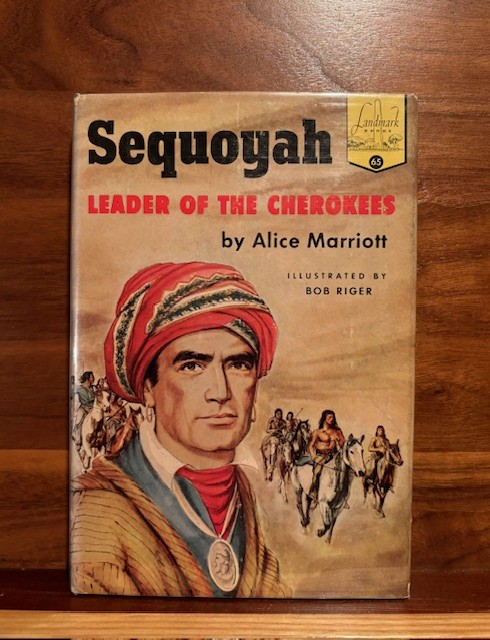
Sequoyah was half white. His mother, the daughter of a Cherokee chief raised him in the tribe. His father was a trader and peddler, Nathanial Gist. Sequoyah was the first to develop a written language for any Indian tribe. He also tried reperesenting the Cherokee tribe in Washington, and endeavoured to keep the tribe alive. This too, was a great book to read.
October 14th is National Real Sugar Day. I thought I would end this entry with some sweet books. While I don’t have a sugar pop-up book, I have the next best thing. This is the book “The Beet Sugar Story” by The United States Beet Sugar Association, published in 1959.
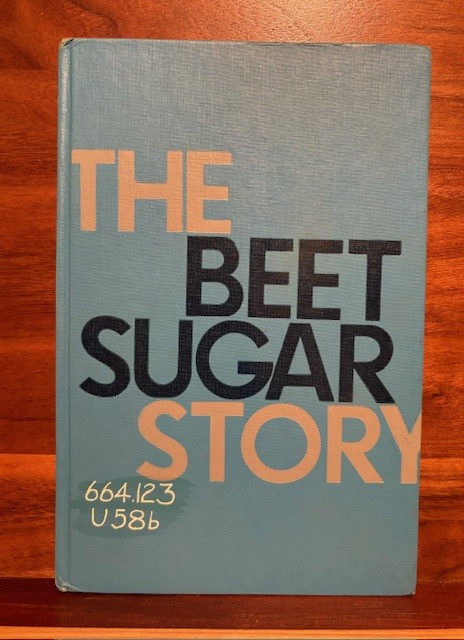
Right now, about 55% of American sugar comes from sugar beets. The rest is from sugar cane. This kid’s book talks of how sugar is processed from sugar beets. As I said there are no pop-ups, but there are some neat fold out pages.
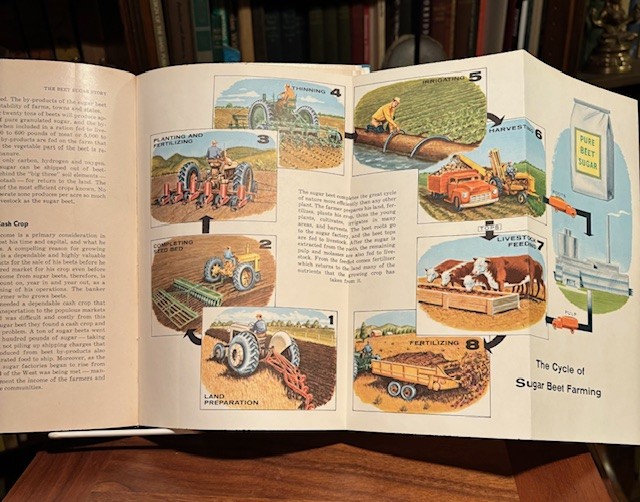
I have copied two. One is how beets are raised on the farm, and the second how they are processed into sugar.

I have an interesting older book, “Sugar: A New and Profitable Industry in the United States for Agriculture, Capital and Labor, to Supply the Home Market with $1000,000,000 of its Product”, by Herbert Myrick, published 1897. This book goes into the new market (back then) of processing sugar from beets here in America, instead of importing sugar from the Caribbean. This is a how-to book for farmers from about 120 years ago.

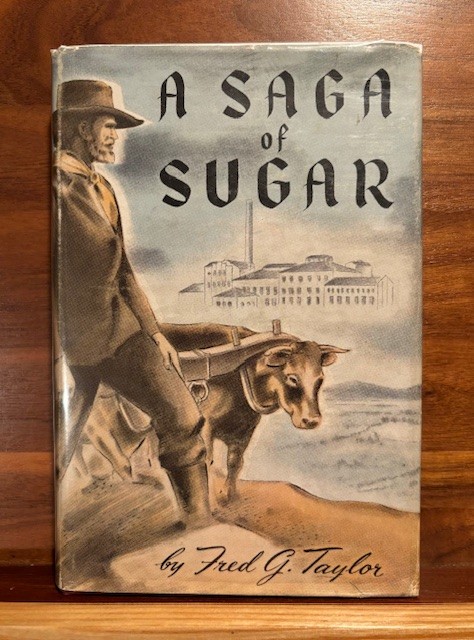
I then move on to another book on the history of beet sugar. “A Saga of Sugar” signed by author Fred G. Taylor published 1944. Taylor was the Executive Secretary of the U.S. Beet Sugar Association, and wrote this book of the growth of the Utah-Idaho Sugar Company, along with the growth of sugar beets history on the whole.
I also have the book “Sugar” by Andrew Van Hook, published 1949. This book gives a whole understanding of sugar. It explains both cane and beet sugar processes, along with the history of sugar-even a little on molasses and my favorite- rum!

“Honey, ahh, sugar, sugar
You are my candy girl
And you got me wanting you” – The Archies
Thanks for coming along. I have a sweet tooth for reading unusual books, and hope that you develop the same tastes.
 Librarytomes
Columbus’ possesive (remove s) and correct sales to sails. Not to be a “blow hard”, but you want your blog to be “ship shape”.
Add h to “Sequoyah-leader. Call me if you don’t know “HOW!”.
LikeLike
Thanks. I had caught sails after I sent it but was already in inbox. Columbus’s is correct, but I had spelt it Columbas’s.
LikeLike