July 15th is National I Love Horses Day. I have several books that may interest horse lovers. “Edle Pferde” is a Book of “Noble Horses”. These are illustrations of horses by Johann Elias Ridinger (1698-1767) famous in Austria and Germany. This book was published in 1977, and is in German. Mein Deutsch is nicht sehr gut, but I think the beautiful horse on the cover is a Klabstrupper.
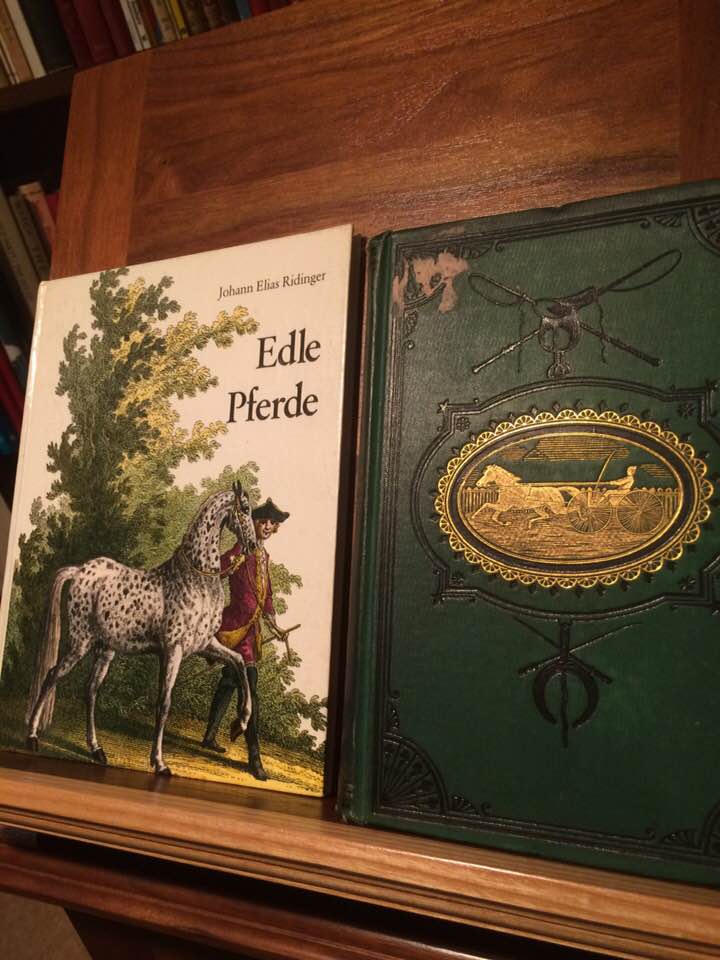
This next book is “The Trotting Horse of America” “How to train and drive him. With Reminiscences of the Trotting Turf” By Hiram Woodruff. This edition was published in 1874. The first edition was in 1868. The author was a master trainer. Some of the horses he was talking about, the races, and the race tracks, were stories that happened during the Civil War, and before. It was mind boggling to me that the world had not stopped completely during the battles of the Civil War; And that there were horse races, gambling, and entertainment still going on in some the northern states. Were some people not affected? It just seemed unusual. I am told that this book is still serious reading for Harness Racing enthusiasts.
I have a picture of the painting “The Polish Rider” by Rembrandt, 1655. Why? Because July 15th 1606 is also the birthday of Rembrandt Harmenszoon van Rijn, and I needed a tie-in for the two events today.

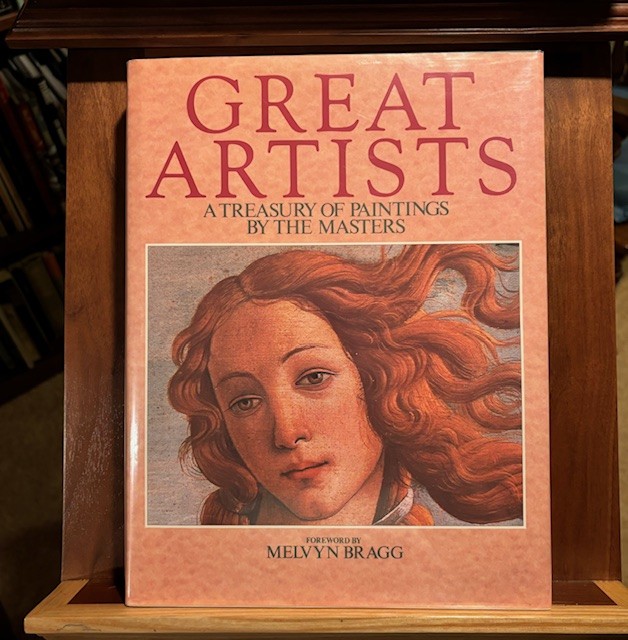
The painting is from the book “Great Artists, a Treasury of Paintings by the Masters”, by Melvyn Bragg, 1987. This is a wonderful large eight pound book with marvelous paintings and history of various artists and their works. There is a nice chapter on Rembrandt.
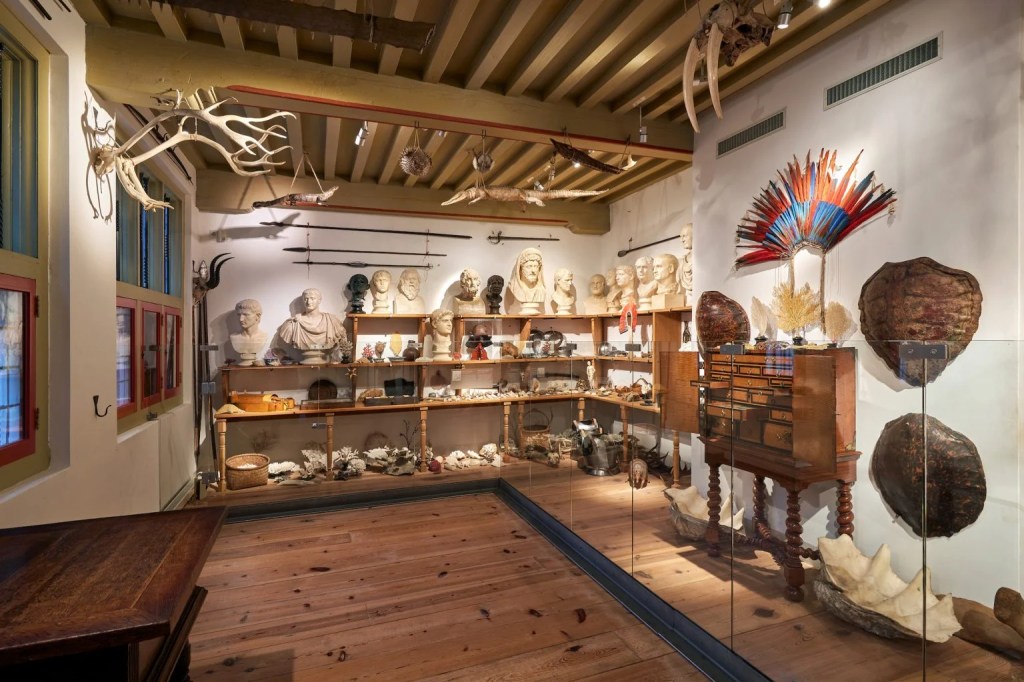
When I was in Amsterdam, it was not all about coffee shops and redlight districts. We were able to walk through the Rembrandt Museum house in Amsterdam, and see where he lived for almost 20 years. We were able to walk through his collection room, where he had all sorts of ‘stuff’ and antiques, things that he could use for examples in painting, or just collect.
We also reviewed his unusual etchings. The museum holds about 260 of the 290 etchings that Rembrandt did in his lifetime, as well as a few paintings. It was a pretty neat museum, one that we nearly missed with time constraints, but we squeaked in. We could not get into the Rijksmuseum (the national museum of the Netherlands), or the Van Gogh museum, but with the short notice that we had, the Rembrandt House Museum was remarkable in that we saw how he lived, as well as some of his works. My art teacher Mrs Campbell would be proud of what I remembered about the creativity and skills of Rembrandt.
It turns out that Rembrandt had to leave his house. He was too Baroque. Perhaps funny but also true. Rembrandt had to declare bankruptcy in 1656, and auction his house, paintings, and ‘stuff’. He had to give a detailed list of all furniture, art, and ‘stuff’ for the auction house. That list was used when trying to refurbish the museum to the way it looked in the 1650’s.
“Try to put well in practice what you already know; and in so doing, you will in good time, discover the hidden things you now inquire about. Practice what you know, and it will help to make clear what now you do not know.” – Rembrandt
 Librarytomes